
Accor Debuts in Bhubaneswar with Novotel.
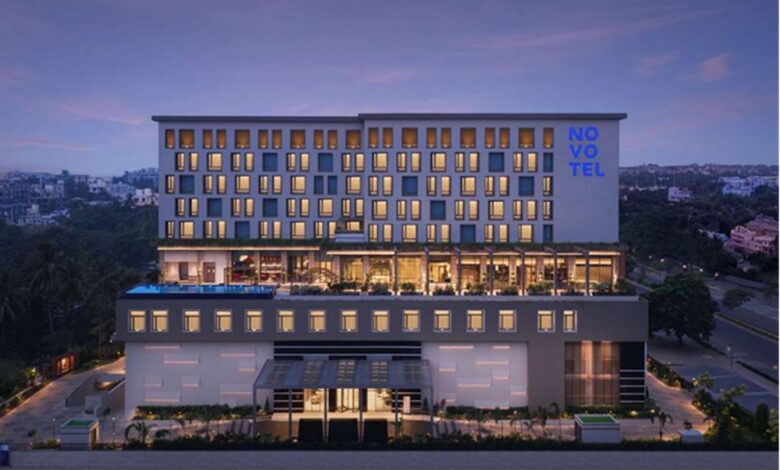
The Novotel Bhubaneswar provides a variety of venues for social events, business meetings, and weddings, as well as eating selections, a fitness center, recreational amenities, and social spaces.
Novotel announced the opening of Novotel Bhubaneswar, offering modern hospitality to the capital city of Odisha. The hotel is the first internationally branded hospitality destination in Bhubaneswar and marks Accor’s debut in Temple City. Novotel Bhubaneswar offers smart environments and experiences that help guests live longer, fuller, and happier lives via the subtle everyday habits that define wellbeing. It is designed for modern families, business travellers, and professionals who prioritise their families.
The 118 guest rooms and suites at the well-located Novotel Bhubaneswar range from luxurious Superior and Executive Rooms to spacious suites ideal for extended stays and family vacations. The hotel’s 12,000 square feet of lively social areas, modern recreational amenities, and adaptable locations for conferences, weddings, business meetings, and social events are all designed to promote both productivity and leisure. Food Exchange, the hotel’s all-day dining restaurant, Tea & Tonic, a laid-back area for drinks and light fare, and E2O East Essence, Pan Asian Kitchen & Bar as well as a fitness center and recreational amenities are among its dining options.
Neelabh Sahay, General Manager of Novotel Bhubaneswar Janpath stated, “As the first Accor hotel and the first internationally branded hospitality destination in the Temple City, the opening marks another important milestone in Accor’s expansion across Eastern India. We look forward to greeting visitors with thoughtful hospitality, intuitive design, balanced food, and spaces that foster connection, guided by Novotel’s Longevity Everyday concept, and making every stay an opportunity to live longer, fuller, and happier lives.”
Over 620 hotels across more than 70 countries make up Novotel’s portfolio.