
Visa and ONDC to discuss India tourist discovery collaboration.
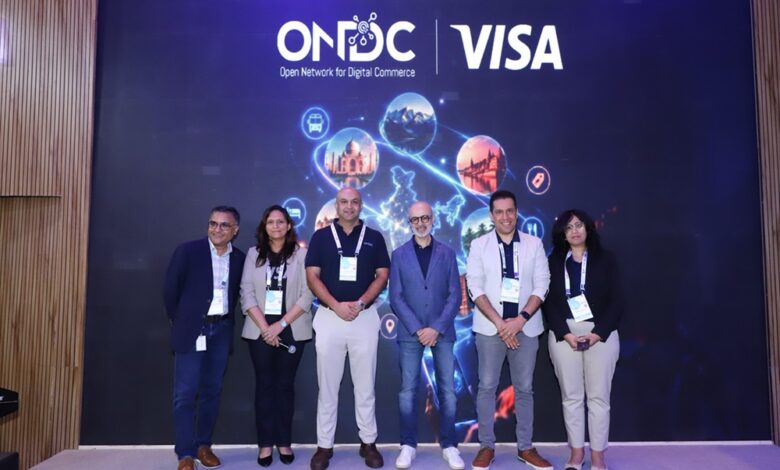
At the Global Fintech Festival in 2026, Visa and the Open Network for Digital Commerce (ONDC) declared their intention to investigate working together to improve travel discovery and digital commerce experiences in India.
With the shared goal of making it easier for travellers to find experiences, itineraries, and tourism offerings throughout the nation, the proposed partnership aims to combine Visa’s experience in trusted digital commerce and intelligent discovery experiences with ONDC’s open network infrastructure. In addition to assisting tourists in connecting with local businesses, experiences, and places in India, the explorer seeks to make tourism discovery more accessible and seamless.
“India has its own homegrown digital public infrastructure creating opportunities for digital commerce, and we realise that tourism can be a very important asset where ONDC can serve as the digital infrastructure for tourism in the country,” stated Suresh Sethi, Group Country Manager, India & South Asia, Visa. It is possible to house all aspects of the tourist industry in one location, including travel itineraries, locations, experiences, and small and medium-sized businesses. While Visa offers reliable discovery experiences, ONDC offers the confidence of an indigenous digital public infrastructure in India.
For us, tourism is a significant opportunity. The Ministry of tourist and Culture is assisting us in developing the tourist industry and promoting travel around the nation. However, robust demand-side participation is also necessary. Hrushikesh Mehta, Chief Business Officer, Financial Services, ONDC, continued, “We are very eager to work with Visa to see what we can do together to make that happen and help connect travellers with the diverse experiences that India has to offer.”
In order to support India’s goal of becoming an even more accessible and alluring travel destination, Visa and ONDC will assess opportunities to use open network principles, trusted commerce, and digital innovation to create richer tourism discovery experiences. Through an open and reliable digital ecosystem, the partnership will also investigate strategies to promote tourism engagement across destinations, regions, and local economies.