
IHCL opens 181-key Taj Palace in Lucknow.
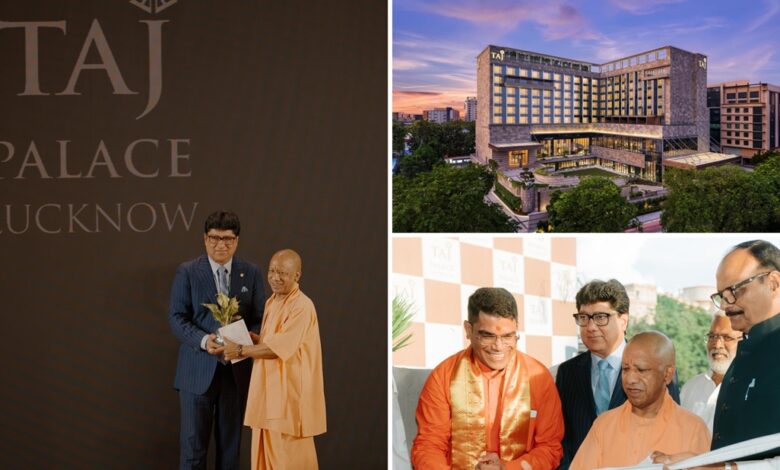
The second Taj hotel in Lucknow is Taj Palace, opened by Indian Hotels Company (IHCL). Uttar Pradesh Chief Minister Yogi Adityanath opened the hotel
The 181-key Taj Palace, Lucknow in Gomti Nagar features natural light, verdant surrounds, and modern design in rooms and public areas that reflect the city’s changing character.
On the opening, Puneet Chhatwal, Managing Director and CEO, IHCL, said, “As India’s economic and tourism landscape continues to expand, cities like Lucknow are emerging as important centers of growth, driven by infrastructure development, rising investment and increasing visitation. The second Taj hotel shows the state’s rise and our commitment to the region.”
He added, “IHCL has a longstanding presence in Uttar Pradesh, which has grown to 60 hotels in over 20 cities. IHCL promotes the state’s spiritual and cultural legacy while growing into its emerging commercial areas through its numerous brands.”
Taj Palace, Lucknow has several restaurants and bars, including Bistrot, a contemporary café serving artisanal teas, handcrafted coffees and light bites; House of Ming, serving authentic Chinese cuisine; Machan, an all-day dining restaurant serving local and international cuisine; and Shadow & Oak, a whisky bar.
J Wellness Circle, Taj’s Ayurvedic and holistic wellness offering, a fitness center, and rooftop pool are also available.
The Chambers, Taj’s members-only business club, debuts in Uttar Pradesh at the hotel, allowing discreet meetings and business activities. The hotel has flexible banqueting facilities for conventions, corporate meetings, and social gatherings.
Santosh Shetty, General Manager, Taj Palace, Lucknow, remarked, “Taj Palace, Lucknow reflects the city’s evolving character, blending contemporary elegance with nature-inspired design. Tajness would warmly welcome travellers in this sophisticated refuge of new Lucknow.”
The opening expands IHCL’s presence in Uttar Pradesh as Lucknow grows as a commercial, educational, and tourist hub while preserving its cultural and architectural history.