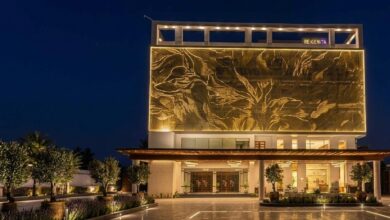

The Postcard Hotel opens a riverfront retreat on the Mandovi in North Goa.
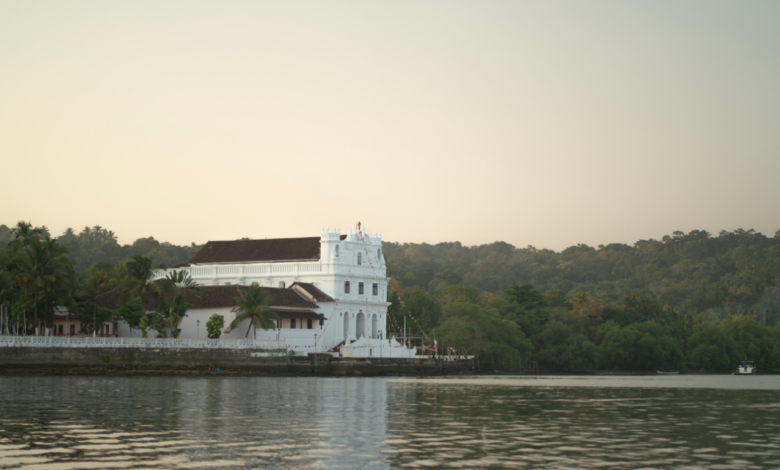
This brand-new resort welcomes visitors to discover a different kind of vacation where they can unwind and take in the breathtaking surroundings along the serene Mandovi River in Goa. Every trip here takes place at a leisurely pace, fusing moments of significant discovery with subtle elegance and user-friendly service. For a peaceful getaway in the centre of North Goa, expansive river vistas and well-thought-out architecture provide a closer bond with the natural world.
“We invite guests to rediscover the destination like never before at The Postcard on the Mandovi River,” says Kapil Chopra, founder and CEO of The Postcard Hotel. The hotel, which is situated in a famous area in the centre of North Goa, promotes a true connection to nature while staying fully immersed in the history, culture, and distinctive Goan spirit of the area. Every element is deeply ingrained, from the hotel’s subtle design and unobstructed views of the magnificent Mandovi River to the freshest regional cuisine and carefully chosen experiences by our staff. A private jetty provides easy access to the river for all visitors, adding to the feeling of exclusivity. Every aspect of this brand-new retreat represents The Postcard Hotel’s high standards, providing a place to unplug and settle into a stay characterised by seclusion, peace, and leisure.

The hotel provides an unmatched relaxing vacation experience with the timeless beauty of its surroundings, set against the backdrop of nature and open skies on the tranquil banks of the Mandovi River. There are just eighteen well-designed rooms with large windows and open private balconies, all of which offer unobstructed views of the river. The serene presence of the Mandovi allows visitors to stop, think, and lose themselves in the tranquil rhythm of riverbank life, from the soft glow of daybreak to the golden hues of dusk. The Postcard Hotel’s distinctive approach to experience luxury is exemplified by its subtle elegance in design, user-friendly service, and strong local ties.
The wellness experience, which starts with the serene riverbank setting that exudes tranquilly, adds another level of complexity to the stay. Additionally, the hotel’s private spa offers a variety of restorative services, such as luxurious scrubs and facials, for a restorative getaway in the tranquil settings of the hotel.
Dining at The Postcard on the Mandovi River is a celebration of local foods and the finest flavours found in the area. Enjoy the restaurant’s garden views while indulging in carefully crafted dishes that showcase the diversity of Goan cuisine. The experience is further enhanced by the gorgeous rooftop bar. With stunning views of the Mandovi and the gentle air coming from the river, it’s the perfect place for guests to relax while sipping homemade drinks.
Leisurely riverbank strolls and engaging guided tours in Old Goa, where ancient churches, neighbourhood marketplaces, and commonplace sights provide a genuine sense of place, enhance hotel stays even further. One can decide to visit the Salim Ali Bird Sanctuary, stroll among the area’s UNESCO-listed structures, or take a well planned art stroll on the picturesque Divar Island or Panjim.
This newest retreat, which is situated along the serene banks of the Mandovi River, is a monument to the brand’s concept and the steadfast spirit of its staff, which inspire visitors to discover a whole new way to vacation in Goa.