
Adaaran Resorts and Heritance Aarah Host Trade Appreciation Party in Delhi.

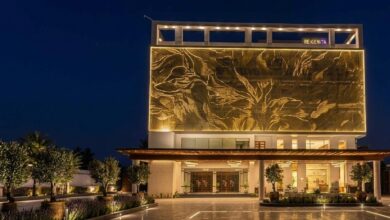
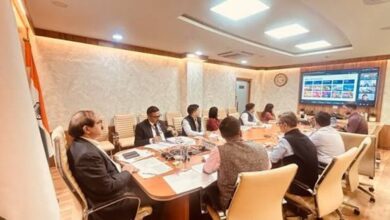
In order to thank trade partners and the media for their ongoing support, Adaaran Resorts and Heritance Aarah Maldives organised an appreciation evening at QLA, Delhi. Despite the intense rain, over 130 people attended the event, demonstrating the tremendous level of involvement with the Indian travel industry. Forty tour operators in all received recognition for their achievements
Speaking at the event, Suresh Dissanayake, Assistant Vice President-Sales & Marketing at Adaaran Resorts and Heritance Aarah, reiterated the company’s belief in India’s potential for international travel in the face of uncertainty. He remarked, “We are travelling to India at a time when the world is dealing with a lot of uncertainty.”
“As a resort chain, we were one of the first from the Maldives to enter India in 2009, he continued, highlighting the company’s extensive history in the market. We have consistently changed to serve this market since we recognise the needs of Indian tourists.”
The event was presented as a thank-you to the travel industry. “We are honouring our partners today. We can create world-class hotels and experiences as hoteliers, but we won’t be able to deliver our narrative to customers without agents. They are the ones who drive our business, support us, and have faith in us.” Dissanayake said, “This evening is about celebrating them.”
In terms of products, the company keeps improving everything in its range. A gradual soft renovation at Adaaran Select Hudhuranfushi is presently in progress and should be finished by winter. “You will see a refreshed look across most parts of the resort by winter,” he said.
In the meantime, Heritance Aarah is currently improving the family villa experience after finishing a gentle makeover in November 2025. “Every family villa will soon have its own pool because we are building pools for all of them,” he disclosed.
Another area of concentration is culinary innovation, especially in light of the changing tastes of Indian tourists. “The Ambula restaurant now has a vegan menu, and we want to expand vegan options to two more eateries. We are making adjustments to our offerings because we recognise that Indian tourists nowadays are more health-conscious and are looking for balanced lifestyle experiences,” he continued.
Dissanayake explained that the high turnout, in spite of Delhi’s rain, is a sign of the industry’s confidence in the brand. “The turnout reflects the trust and belief our partners have in us,” he said, referring to the rain as “a blessing.”