
Viking Launches World’s First Hydrogen-Powered Cruise Ship, Viking Libra.
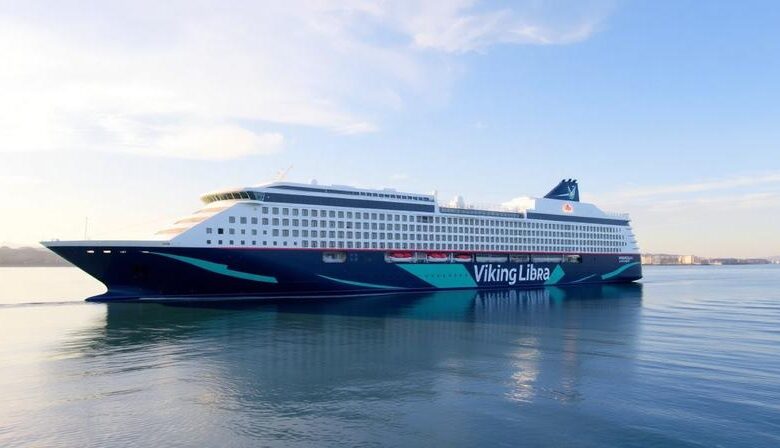
The float-out of Viking Libra, the world’s first hydrogen-powered cruise ship with zero emissions, has been announced by Viking. This represents both the vessel’s first contact with water and a significant construction milestone. The ship will make its debut with trips around the Mediterranean and Northern Europe after it is delivered in November 2026.
The vessel entered its final stage of construction with the float-out ceremony, which was held at Fincantieri’s Ancona shipyard. The ship will then be transferred to an outfitting port for final build-out and interior installations.
Torstein Hagen, Chairman and CEO of Viking stated “The float out of the Viking Libra represents another milestone for Viking and our continued partnership with Fincantieri. We have always prioritised fuel efficiency in ship design, and the Viking Libra is our most ecologically friendly ship to date. Viking made the ethical decision to invest in hydrogen because it provides a genuine zero-emission alternative. We are excited to add the first hydrogen-powered cruise ship to our fleet.”
Viking Libra, which is categorised as a small ocean ship, will have 499 staterooms that can hold up to 998 people and a gross tonnage of about 54,300 tonnes. The ship will include a hybrid propulsion system that uses fuel cells and liquid hydrogen to enable zero-emission operations and access to environmentally sensitive areas. Up to six megawatts of power can be produced by the system, which was created with assistance from Isotta Fraschini Motori.
Fincantieri’s Gilberto Tobaldi, Director of the Ancona Shipyard, and Viking team members Karine Hagen, Executive Vice President of Product, and Enrico Prunotto, Senior Vice President of Ocean Passenger Operations, attended the ceremony and expressed gratitude to the shipyard on behalf of Viking.
In keeping with the company’s emphasis on sustainable cruising, Viking’s next ocean vessel, Viking Astrea, is presently under development and is expected to be delivered in 2027. It will also have hydrogen-powered propulsion.