
Indravati Tiger Reserve to Reopen to Tourists on November 1 After 40 Years.
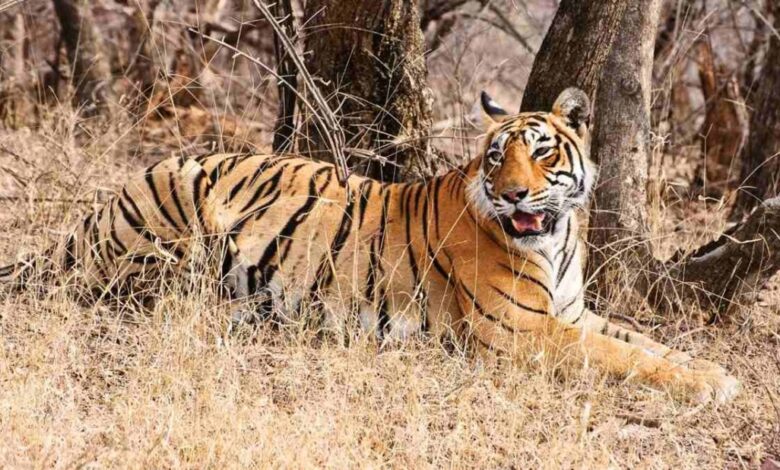
On November 1, 2026, the Bijapur district of Chhattisgarh’s Indravati Tiger Reserve will reopen to visitors, reintroducing jungle safaris to the protected area after nearly forty years of limited access.
The reserve, which is situated in the Bastar area, is 2,799.07 sq km in size and consists of a 1,540.70 sq km buffer zone and a 1,258.37 sq km core critical tiger habitat. The reserve’s name comes from the Indravati River, which forms part of the border between Chhattisgarh and Maharashtra and flows along its northern and western borders.
In 1981, Indravati was designated as a national park, and in 1983, it was included in Project Tiger. Its terrain includes meadows, hills, bamboo and teak vegetation, tropical moist and dry deciduous woods, and seasonal streams.
In addition to its tiger population, the reserve is also important for conservation because it is home to one of its most famous natural attractions, the endangered wild Asian buffalo. Leopards, gaur, chital, sambar, barking deer, wild boar, sloth bears, and wild dogs are among the other species found in the area.
The reserve’s biodiversity has also been highlighted by recent wildlife observations, such as the noteworthy spider diversity and the first sighting of a smooth-coated otter in 25 years near the Indravati River.
Organised forest excursions are anticipated to be the main focus of the reopening’s first phase. Under the National Tiger Conservation Authority’s Tiger Conservation Plan, new tourism routes are being planned and safari vehicles are being purchased.
As preparations continue for the November reopening, authorities have not yet determined the daily carrying capacity for safari vehicles and tourists.
Additionally, community involvement is emphasised in the tourism plans. A planned tourism town along the Indravati riverbed is part of an eco-tourism framework under development, and local youth are being trained to engage in tourism-related activities.
In addition to attracting tourists to a protected area that has stayed mostly outside of Chhattisgarh’s established tourism circuit, the reopening is anticipated to provide tribal residents in the area with new means of subsistence.