
The government will create a “Chennai MICE Promotion Bureau” in an effort to promote Chennai as a top MICE destination.
With a number of new projects including cruise and ferry services, ropeways, MICE tourism, visitor safety, and destination development, Tamil Nadu is poised to grow its tourism infrastructure.
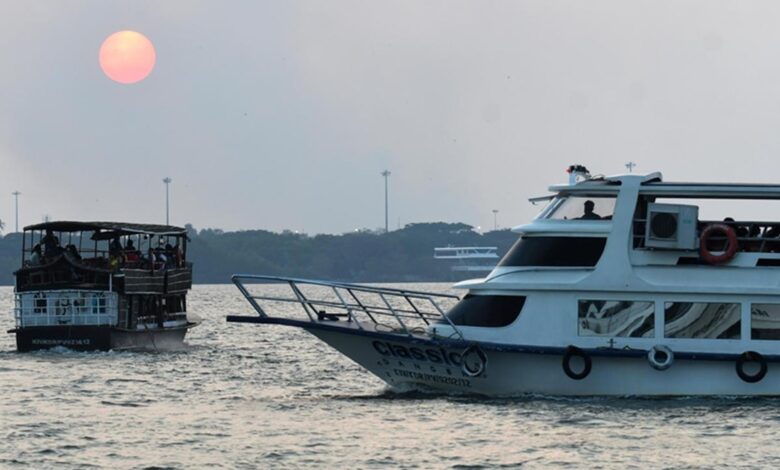
During the Assembly’s demand for grants discussion, Tourism Minister S. Rajesh Kumar presented 15 announcements for the Tourism Department. He stated that INR 2 crore has been set aside to do feasibility studies for prospective cruise and ferry routes. Chennai-Kovalam, Poompuhar-Tharangambadi-Nagapattinam, and Rameswaram-Thoothukudi-Kanyakumari are the routes being considered.
Additionally, the state is assessing ropeway projects in Ooty and Kodaikanal. The minister claims that feasibility studies are presently in progress and that once the findings are finished, implementation would take place.
Development projects in the districts of Kanniyakumari, Tiruppur, Krishnagiri, and Erode are scheduled to get an additional INR 48 crore for tourism infrastructure surrounding dam locations.
The government will create a “Chennai MICE Promotion Bureau” in an effort to promote Chennai as a top MICE destination. The initiative’s goal is to increase the city’s visibility in the meetings, incentives, conferences, and exhibits sector an increasingly significant area of tourism, according to the minister.
With INR 2 crore set aside for the installation of CCTV cameras at popular tourist locations, tourist safety is also reportedly receiving attention. Through public-private partnerships, the government also intends to enhance parking and basic facilities at filming locations throughout the state.
For those whose lives depend on the tourism industry, the state has allocated INR 1 crore for skill-development initiatives.
While INR 30 crore has been set aside for visitor amenities including drinking water, roads, rest spaces, and parking facilities, INR 18 crore will go toward the development of major tourist sites in the Kanniyakumari district.