
Moscow welcomes Indian tourists for a month-long Christmas celebration.
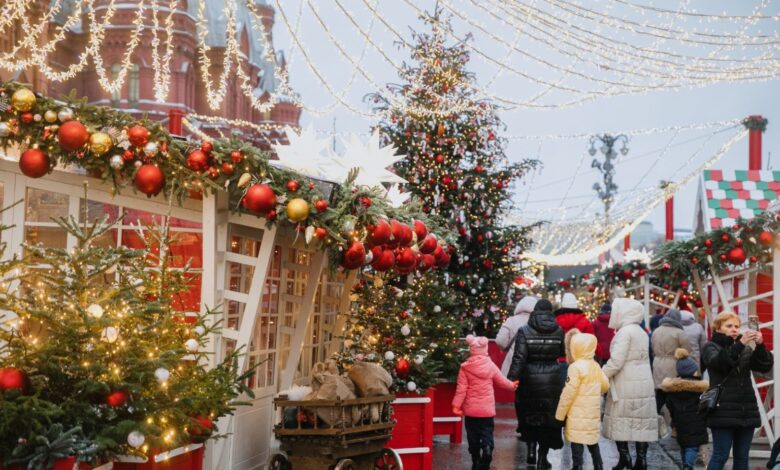
This year, Manezhnaya Square will amaze tourists with the “City of Christmas Tree Ornaments,” a charming market that draws inspiration from the cosy, nostalgic style of cotton toys from the early 20th century.
Moscow will once again host its annual “Journey to Christmas” celebration from December 12, 2025, to January 11, 2026, turning the city into a magnificent winter stage where treasured customs, cherished fairy tales, and joyous surprises come to life. The event is a component of the “Winter in Moscow” initiative. The capital of Russia will be enchanted by the season for a whole month.
In addition to the well-known Russian New Year figures Ded Moroz and Snegurochka, guests can encounter dozens of other classic fairy tale characters here. Visitors can participate in fairy tale-inspired mini-performances, take pictures amidst decorations that appear to have been taken straight out of an old holiday coffer, and eat traditional Soviet New Year fare.
Workshops for young festival attendees will include everything from metal stamping and producing Christmas trick objects to painting glassware, making candles, and making ornaments in the Soviet manner. Cooking classes for the New Year will open for the tiniest visitors. While fans of active recreation can enjoy sports zones, a curling school, and more than 170 festive ice shows, including Swan Lake, Snow White, The Twelve Months, and other winter classics, visitors will be enthralled by a number of theatre productions based on traditional Russian fairy tales. As players gather stamps from their traveler’s passport and trade them for prizes, the quest “Journey for the Dream Gift” will teach visitors to the customs of Russia’s various regions.
The main event of the “Winter in Moscow” initiative will be “Journey to Christmas,” a significant celebration that unites tradition, contemporary culture, and the joyous atmosphere of the holidays for locals and visitors of all ages. This festival provides the ideal fusion of culture, entertainment, and festive charm for Indian tourists looking for a genuine winter experience, making it a memorable family vacation or solitary winter excursion.