
Malaysia Airports and MAG expand their cooperation on sustainable aviation.
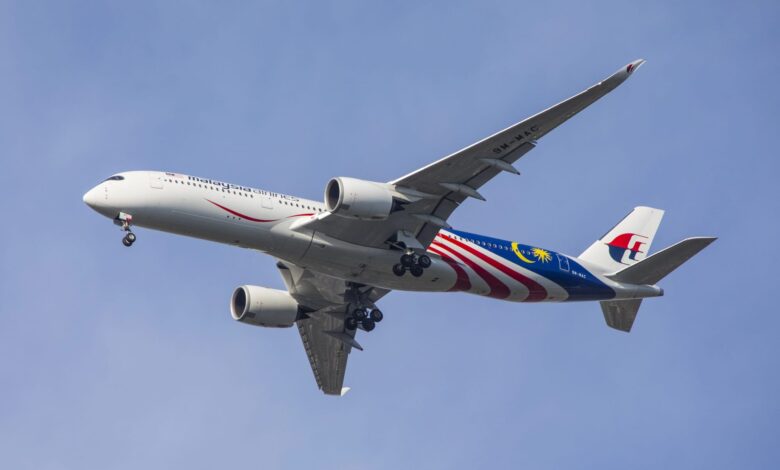
According to reports, Malaysia Airports and Malaysia Aviation Group (MAG) are stepping up their cooperation to promote aviation sustainability, realising that airports and airlines must work together more closely to enable Malaysia’s shift to net-zero carbon emissions by 2050.
In order to discuss practical approaches to decarbonisation, such as adopting cleaner energy, circular economy initiatives and waste reduction, Sustainable Aviation Fuel (SAF), and more sustainable airport and airline operations, the two organisations jointly hosted Aviation Sustainability Day 2026 at the Sama-Sama Hotel, KL International Airport (KLIA). The event brought together representatives from government agencies, regulators, and industry partners.
According to Mohd Izani Ghani, Managing Director of Malaysia Airports, “the shift would necessitate that airports and airlines coordinate their long-term investments, infrastructure planning, and goals. With KLIA acting as both MAG’s home base and the nation’s main international gateway, Malaysia Airports and Malaysia Aviation Group have long played complimentary roles in forming Malaysia’s aviation landscape. We must now advance a more sustainable aviation future as part of our common commitment to improving Malaysia’s connectivity. Our individual decarbonisation efforts cannot advance on their own. To make significant success together, we must make sure that our operational priorities and investments complement each other.”
Captain Nasaruddin A. Bakar, President and Group Chief Executive Officer of MAG stated “Our Mid-Term Sustainability Roadmap translates MAG’s net-zero commitment into a clear direction for the next decade. In keeping with its priorities, we recently retired 80,100 CORSIA-eligible emissions units (EEUs) toward our Phase 1 compliance obligations, making us the first airline group in Malaysia and the first in ASEAN to receive certification under the Sustainable Procurement module of IATA’s Integrated Sustainability Program. We are pleased with these accomplishments, which show the roadmap in action. Additional efforts are under progress to meet its goals and promote our long-term sustainability aspirations throughout our value chain and activities.”
The Group’s priorities in operations, facilities, the value chain, people, and governance are outlined in MAG’s Mid-Term Sustainability Roadmap, which is in line with its Long-Term Business Plan 3.0 (LTBP3.0). The Group aims to reach a 55% waste diversion rate by 2030, reduce building energy intensity by 20%, and reduce emissions intensity to 30%–35% by 2030 and 40%–45% by 2035. In order to further Malaysia’s aviation decarbonisation agenda and bolster Kuala Lumpur’s competitiveness as a top regional aviation hub, MAG collaborates with Malaysia Airports on sustainable aviation fuel (SAF), renewable energy, ground electrification, and resource efficiency.
In addition to supporting the Malaysia Aviation Decarbonisation Blueprint and the country’s goal of achieving net-zero greenhouse gas emissions as early as 2050, these pledges are said to support the Sustainable Development Goals of the UN on clean energy, sustainable infrastructure, climate action, and partnerships.
Additionally, the event gave industry stakeholders a chance to consider working together more closely to address the operational, infrastructure, and investment issues related to aviation decarbonisation.