
Uzbekistan grants Indians 30-day visa-free travel.
Additionally, the two nations have inked a Tourism Cooperation Program for 2026–2028, which aims to increase traveller exchanges, bolster industry cooperation, and create new cooperative initiatives.
In a move that is anticipated to significantly increase tourism, bilateral travel, and people-to-people relations between the two nations, Uzbekistan has announced a 30-day visa-free period for Indian citizens.
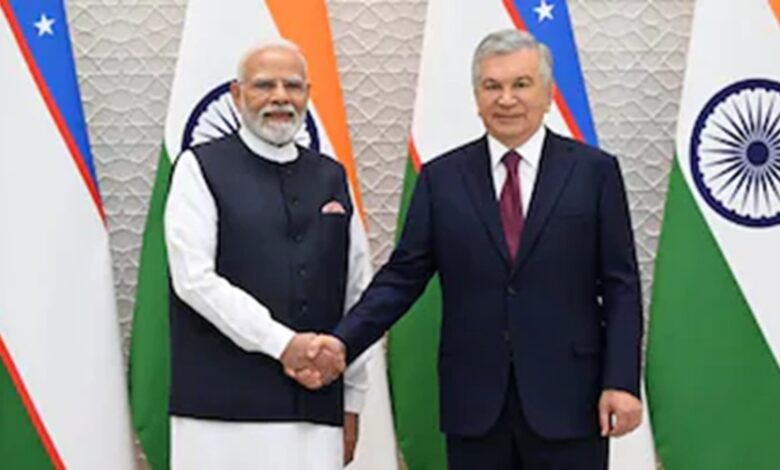
The statement was made during Indian Prime Minister Narendra Modi‘s recent August 29–30 visit to Uzbekistan, where he met with Uzbek President Shavkat Mirziyoyev to discuss enhancing bilateral cooperation in a number of areas, including tourism.
The two nations have also inked a Tourism Cooperation Program for 2026–2028, according to Uzbekistan’s Tourism Committee. The program’s objectives are to increase visitor exchanges, improve collaboration in the tourism industry, and create new cooperative projects.
In addition to the creation of new cooperative travel routes, the program envisions a wider tourism interaction between the two nations, including the planning of reciprocal cultural weeks, film festivals, and other significant tourism-related events. According to the Uzbek administration, the 30-day visa-free period is anticipated to be crucial in boosting traveller numbers and deepening bilateral tourism cooperation between India and Uzbekistan.
The action coincides with an improvement in air connectivity between the two nations. There are currently 14 direct flights each week between India and Uzbekistan, according to the Office of the President of Uzbekistan. The Uzbek government has noted that enhanced connectivity and visa-free travel will boost tourism.
During Modi’s visit, a number of agreements and cooperative activities were announced, including tourism. Along with agreements and memoranda pertaining to other topics like culture, higher education and scientific research, traditional medicine, environmental protection, geology and mineral resources, economic and financial dialogue, and archival cooperation, the two parties signed the 2026–2028 tourism cooperation program.